

From Big Ideas to Implementation: How Government Can Use Procurement to Create Good Jobs
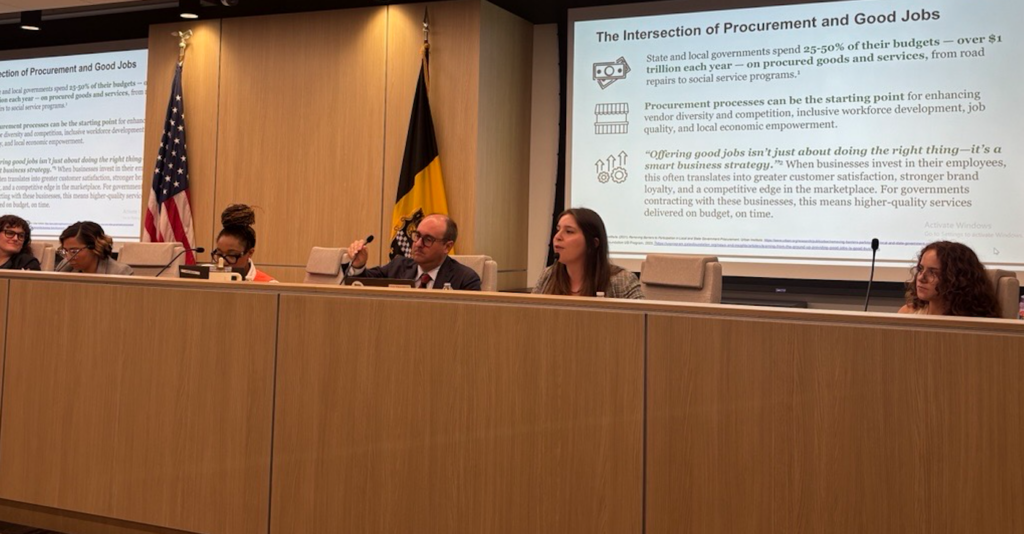
State and local governments spend over $4 trillion every year on goods and services delivered by contractors in the private and nonprofit sectors – creating millions of jobs. But whether those jobs are good jobs can depend on how governments choose to wield those contracting dollars.
Procurement is a powerful lever. Through contracts for labor-intensive construction, operations, maintenance, and services, cities can do more than deliver services; they can also set standards for wages, benefits, and working conditions that strengthen local economies and expand access to good jobs.
But how can governments harness these dollars not just to deliver high-quality services, but also to promote “good jobs”? This is the question Partners for Public Good set out to answer through the Procurement for Good Jobs initiative.
Introducing Procurement for Good Jobs
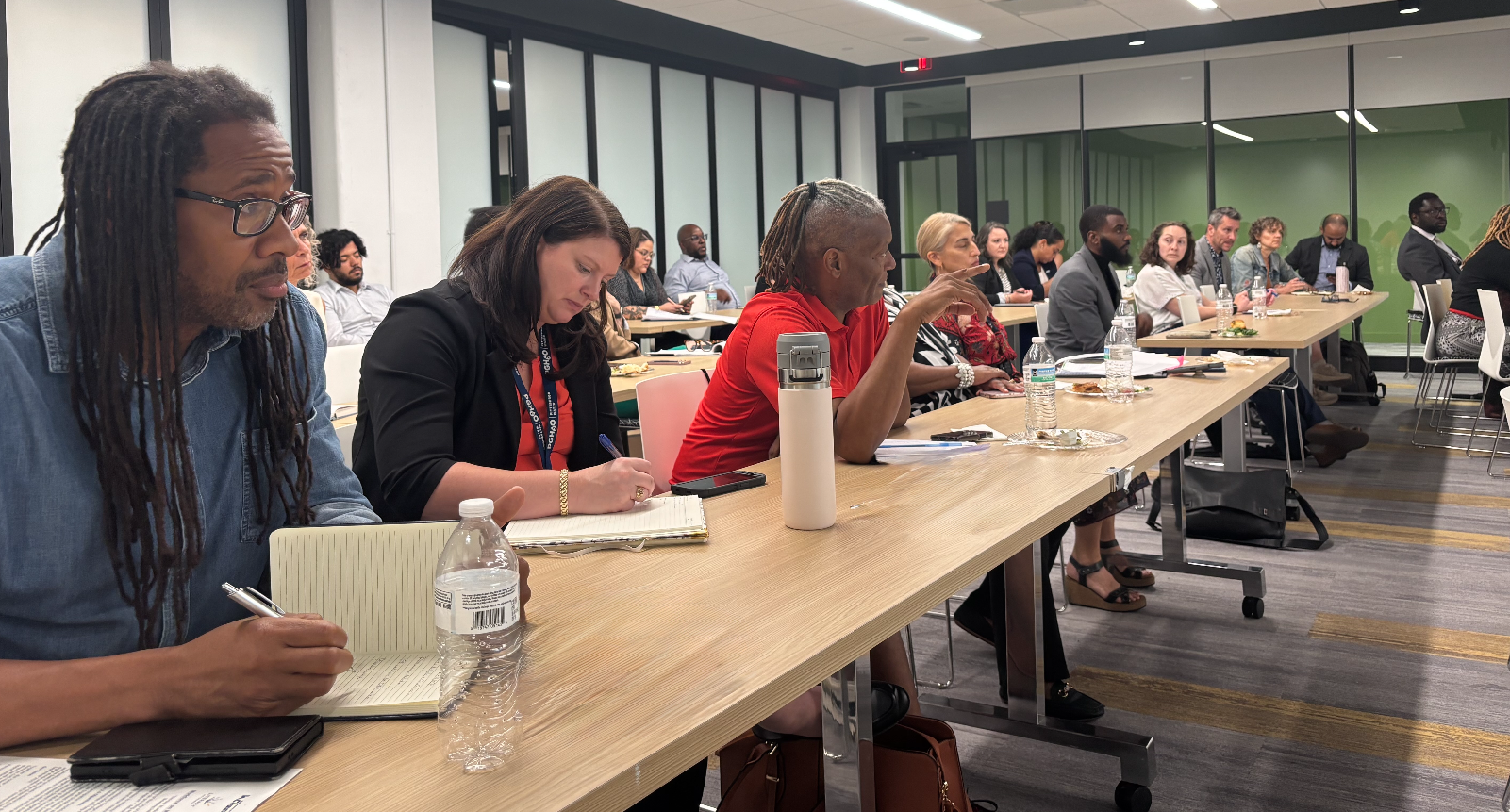
Job-quality and workforce priorities vary by community, which means a “good job” is defined uniquely in the context of each local jurisdiction, but common characteristics of a good job include sufficient compensation and benefits, opportunities for growth, and a safe working environment.
Based on Partners for Public Good’s prior work streamlining results-driven contracts, we hypothesized that labor standards could be, under the right circumstances, strategically woven into the planning, evaluation, and implementation of public contracts. If procurement systems can be designed to define outcomes clearly and support vendors in delivering on them, then those same systems can be used to advance job-quality goals. To truly drive public value, however, integration of job-quality goals must go hand-in-hand with strong foundational procurement and contract management processes at their core. Such systems are results-driven, strategic, and fair. They are inviting to vendors, drive competition, and deliver optimal value and timely goods and services to taxpayers. We believe that when systems are designed right, both can be possible.
To test this hypothesis, we led a Procurement for Good Jobs cohort with the cities of Cleveland, OH, Pittsburgh, PA, and San Antonio, TX, where our team worked shoulder-to-shoulder with city staff for 15 months.
Putting Theory into Practice
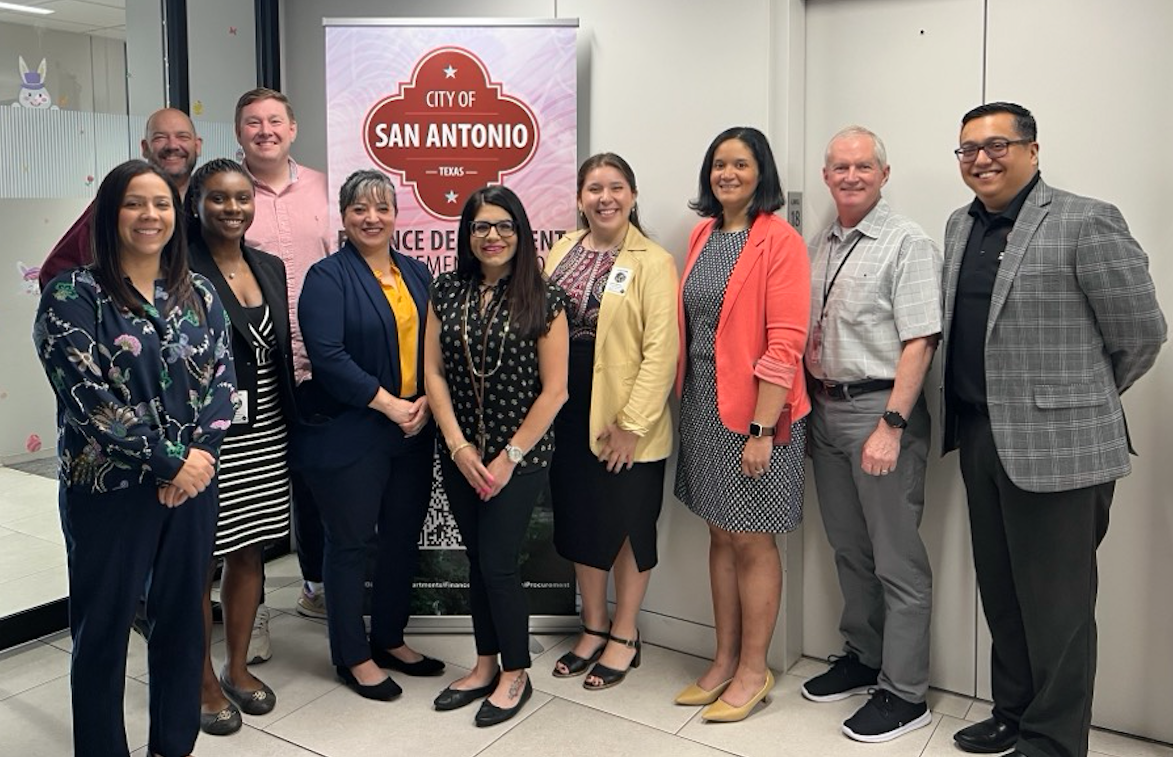
The three cities in our Procurement for Good Jobs cohort each entered this work from a different starting point, but all took the time to assess readiness for change and identify the political, regulatory, and operational levers available to support an early pilot.
- Cleveland, OH, looked to revitalize a dormant living wage policy.
- Pittsburgh, PA, aimed to see construction jobs in disadvantaged neighborhoods go to neighborhood residents.
- San Antonio, TX, wanted to enhance the impact of a taxpayer-funded job training program.
In each city, we identified a single strategic solicitation to pilot a labor standard before scaling. This approach allowed us to draft new solicitation language, pressure-test process workflows, refine cross-department roles, and build momentum without attempting to overhaul the entire procurement system at once.
Finding the Right Contract to Pilot

From the get-go, identifying the right solicitation was challenging, particularly in decentralized environments where purchasing staff may not have full visibility into upcoming contract opportunities. To mitigate this, we went department by department, alongside each city’s purchasing staff, to identify a contract that was closely aligned with leadership priorities to increase buy-in and follow-through, as well as supported by departmental staff who are ready to try new things.
Involving staff across workforce, legal, compliance, equity, data, and user departments creates shared ownership and builds the internal infrastructure needed for long-term adoption. Building these relationships early was therefore key to fostering open collaboration, especially during the drafting phase to prevent misalignment challenges later during contract implementation. The drafting process was also an opportunity to establish a shared understanding across departments not only about jobs goals but about the power of procurement to achieve strategic outcomes.
Each city used clear language that stressed the results the government wanted to see from the contract, clearly articulating the desired outcomes and indicated what vendors must do to meet the requirements or earn incentives.
Building the Systems to Make Changes Stick
In each pilot city there was a strong workforce goal, but the goals were largely aspirational, with no formal system or contractual mechanisms in place to support compliance, track outcomes or hold vendors accountable. To address this gap, we focused on two critical pieces: engaging vendors as partners and building clear contract management and reporting systems.
Engaging Vendors as Partners
Vendors are key partners in making this work a reality. Successful implementation starts early by setting job-quality goals and workforce requirements that reflect both the city’s priorities and the realities of the local vendor market. A manageable, phased approach gives vendors time to adapt and helps to make sure the new requirements strengthen job quality without unintentionally reducing competition.
Once a solicitation is live, proactive vendor engagement becomes critical to meeting good jobs goals. Clear and responsive communication with vendors upfront increases the likelihood of receiving strong, quality proposals.
In our pilot cities, a few strategies proved especially effective: holding pre-submittal conferences to explain workforce expectations in plain language, establishing a clear point of contact for vendor questions, and aligning expectations with vendor success by communicating that the government is both serious about these goals and committed to helping vendors meet them. Equally important was recognizing the role vendors play in delivering these outcomes: celebrating early successes, acknowledging the effort required to implement new approaches, and inviting feedback along the way.
Building Clear Contract Management and Reporting Systems
Building a contract management and data collection system was critical for vendor commitments to actually turn into good jobs, rather than quietly fading into the background. Proactive contract management included three key elements: clear roles and responsibilities throughout the life of a contract, ongoing reporting and check-ins with vendors, and regularly updated data to measure success.
The Results So Far Are Promising
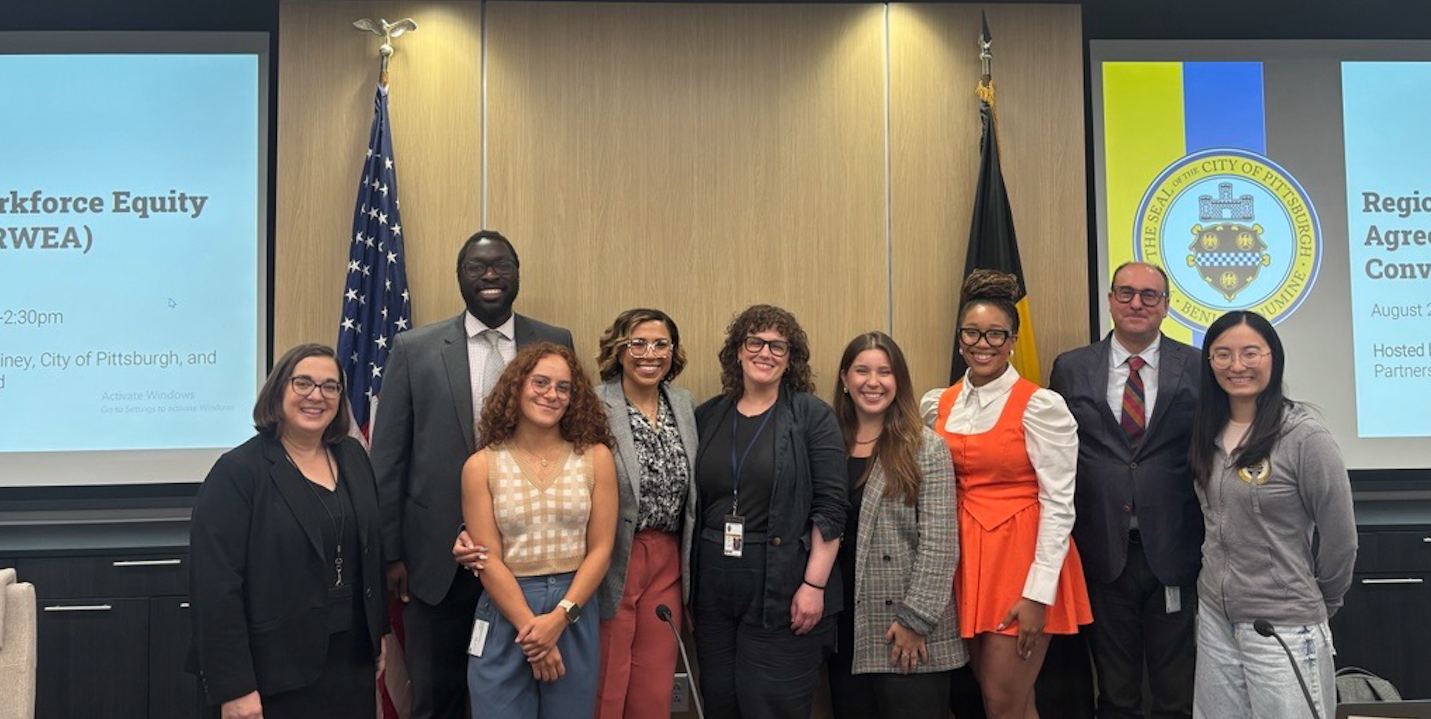
As of May 2026, all three cities have released their first-ever solicitations that include enforceable workforce equity goals and labor requirements. In Cleveland and San Antonio, these solicitations have already been awarded, and teams are now actively engaging vendors to implement and monitor these commitments.
These solicitations received a comparable number of bids to similar past procurements—a strong signal that it is possible to both get the work done and prioritize creating good jobs.
Looking ahead, each city is positioned to scale this approach, applying workforce goals and labor standards to additional contracts. In year one, these scaling plans are expected to impact over $199 million in city contracts and improve outcomes for nearly 2,600 workers, advancing good jobs for residents across the country.
What We’ve Learned
Across all three cities, we identified a few clear actions for making this work successful and sustainable:
1. Use a phased approach that considers your government’s capacity to implement, rather than an immediate citywide rollout.
Implementing new workforce standards across the board all at once can strain capacity and undermine progress. Each city started with a single pilot and expanded gradually, refining processes and building buy-in along the way. A phased approach—whether by contract type, dollar threshold, or service area—allows governments to test what works, demonstrate early wins, and bring leadership, vendors, and other stakeholders along in the process.
2. Invest in cross-functional collaboration and standardization.
Implementing workforce goals through procurement requires coordination well beyond procurement teams alone. Involve staff across workforce, legal, compliance, equal opportunity, data, and user departments to create shared ownership and increase internal buy-in for long-term adoption. Clear ownership is especially critical; someone must be responsible for monitoring implementation, managing vendor relationships, and ensuring accountability over time.
3. Design with vendors in mind.
Workforce requirements are most effective when they are both clear and feasible. Cities saw stronger results when they aligned expectations with vendor capacity, provided structured engagement opportunities like pre-bid conferences and onboarding meetings, and built in flexibility through approaches like good faith efforts. Supporting vendors, whether through partnerships with workforce organizations or clear reporting tools, helps ensure that commitments translate into real outcomes.
This work shows the potential to leverage public spending to support fair pay, quality jobs, and long-term career pathways and economic opportunity for workers—while still delivering high-quality, impactful, and timely public goods and services. When workforce goals are embedded into procurement systems and supported through clear processes, vendor engagement, and ongoing accountability, they can move from aspiration to reality.
Available Resources
To support others interested in this work, Partners for Public Good has documented the core building blocks and lessons from our pilot in a set of practical resources. These include:
- A how-to guide, How Public Procurement Can Create Good Jobs, which walks through the full approach and includes case studies from each city;
- A template, Writing Good Jobs Goals into a Results-Driven Solicitation, for integrating good jobs goals into a solicitation; and
- A workbook, Measuring Performance of Workforce Goals in Public Contracts, for building contract management and reporting systems to track outcomes over time.
These resources support governments in leveraging public spending to support fair pay, quality jobs, and long-term economic opportunity for workers in their own context.
Governments interested in this approach can find additional support through the Procurement Excellence Network (PEN), an initiative of Partners for Public Good that offers tools, trainings, and coaching for leaders working to make procurement more strategic, fair, and innovative.